As Google continues to integrate AI into its search engine, many businesses and SEO professionals are wondering: Do we need to change how we optimize for search?
At the recent Google Search Central Live 2025 event in Madrid, the answer became clear:
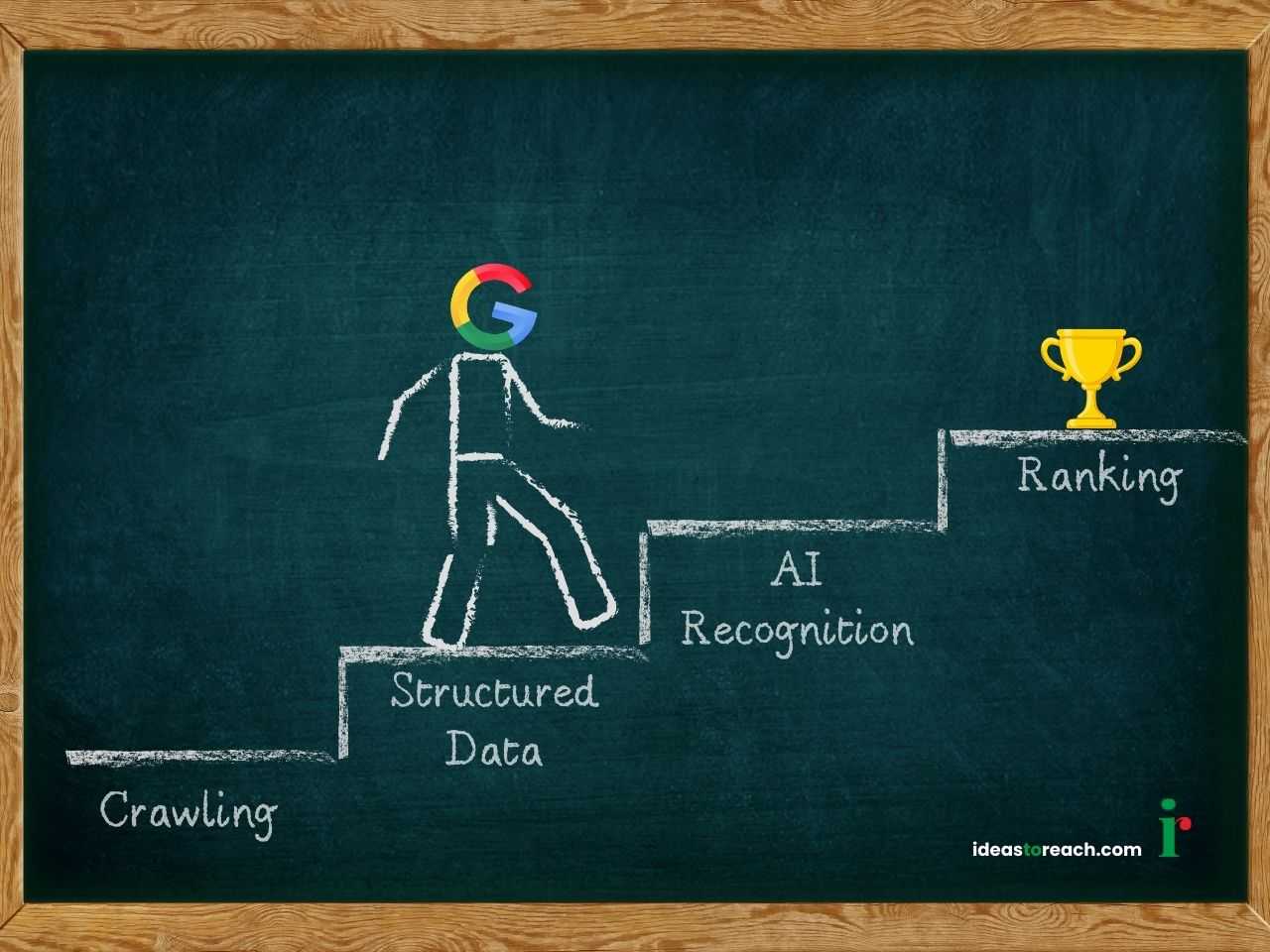
You don’t need to completely change your SEO strategy, but structured data remains essential.
Here’s a clear and practical breakdown of what this means for your business and your website.
Structured data is code that helps Google understand your website better.
For example:
Think of it as adding labels to your content so that search engines know exactly what it is and display it in enhanced formats like rich snippets, voice results, and AI summaries.
Google’s team, including John Mueller and others, clarified that there’s no need for new types of SEO or optimization to show up in AI-powered results. (Google Search Central documentation).
Key points:
So, if you’re following standard best practices, fast-loading pages, mobile-friendly design, quality content, and structured data, you’re already on the right path.
Google’s AI answers are powered by something called RAG: Retrieval Augmented Generation. Here’s how it works:
This means your website can be featured in AI answers if your content is relevant and easy for Google to understand, especially if you’re using structured data correctly. If you're aiming to get featured in Overviews, explore our blog on Ranking in Google AI Overviews for actionable steps.
Yes, just like in traditional search results, you can control how much of your content appears.
You can use:
This is especially useful if you want to protect certain types of content or control how your site appears in AI features.
Not specifically, for now, AI-related traffic is grouped with all other search data in Search Console.
There are no separate filters or reports for AI Overviews or Gemini usage. Google says separating this data might create more confusion than clarity, but this could change in the future as usage grows.
There was some discussion around a proposed LLMs.txt file, a tool that might allow sites to control if and how their content is used in AI models (like Gemini or Vertex AI).
However, Google said this file may not be necessary right now. They already respect existing rules in robots.txt for AI training, and search rankings are not affected by whether your content is used for AI model training.
Google’s messaging is clear: SEO isn’t dead — it’s evolving. Below is your updated action plan to stay ahead:
< script type="application/ld+json">
{
  "@context": "https://schema.org",
  "@type": "FAQPage",
  "mainEntity": [{
    "@type": "Question",
    "name": "Is structured data still important for SEO in 2025?",
    "acceptedAnswer": {
      "@type": "Answer",
      "text": "Yes, structured data remains essential for helping Google understand your content and for eligibility in rich results and AI summaries."
    }
  }]
}
For a detailed walkthrough, check our Guide on optimizing content for AI summaries.
Want to understand how E-E-A-T directly affects your Google rankings? Here’s why it matters in 2025.
AI-powered search rewards websites that cover topics comprehensively and serve user intent.
Yes. Structured data helps Google clearly understand what your content is about, which improves how it’s interpreted for rich results and AI summaries. Even with AI-driven search, clean schema gives your content clearer signals.
Google’s AI first retrieves relevant, high-quality pages and then summarizes information from them using trusted sources. Content that is well-structured, clear, and easy to interpret is more likely to be selected.
No. Google has confirmed that standard SEO best practices still apply. High-quality content, strong technical SEO, and structured data already prepare your site for AI-powered results.
Indirectly, yes. Structured data helps highlight author details, reviews, FAQs, and credentials, which strengthens trust and clarity. This makes it easier for Google to evaluate experience and authority.
Structured data should be reviewed at least once every quarter or whenever you update key content. Regular audits help catch errors and keep your pages eligible for rich and AI-driven results.
Internal linking helps Google and AI models understand how your content is connected. Clear links between related pages improve topical clarity and guide AI to the most relevant information.
This new era of AI-powered search doesn’t replace SEO, it highlights the value of doing it right.
Structured data isn’t just a technical add-on, it’s your website’s way of speaking Google’s language. And in a world where AI is summarizing answers and choosing sources more intelligently, giving clear signals matters more than ever.



Please send a WhatsApp message only. Kindly do not call :
+ 91 - 99 4040 1010 | + 91 - 94 97 40 1010
Email: [email protected]